
What Is Intermittent Fasting, and Is It Safe?
BLUF
Intermittent fasting means giving your body a planned break from eating instead of constantly topping off the gas tank all day. For some people, it can be a simple way to get control of timing, type, and total intake. But it is not magic, it is not starvation, and it is not a free pass to run low-grade fuel when the eating window opens. Talk to your doctor before making big changes, especially if you have medical conditions or take medications.
The Why: What’s Going On Under the Hood
Your gut is the gas tank. Food is fuel. The quality of what you put in matters, but so does how often you keep pulling into the station.

A lot of us in the Military, Veteran, and First Responder world learned to eat whenever we could, whatever was available, and usually fast. Shift work, deployments, station life, patrols, firehouse meals, field problems, gas station food, late-night snacks, it all adds up. Over time, the engine starts throwing warning lights.
That warning light might be heartburn. Bloating. Cravings. Energy crashes. Brain fog. Weight gain. Poor sleep. Irritability. Feeling like you are always hungry even though you just ate. That is the check engine light. Not a reason to panic, but definitely a reason to pay attention.
Intermittent fasting is one tool for paying attention.
At its simplest, it means you stop grazing all day and set a clearer window for when you eat. Maybe you finish dinner earlier. Maybe you stop late-night snacking. Maybe breakfast moves a little later. The point is not to punish yourself. The point is to stop treating your body like it needs fuel dumped into it every hour.
But here is where people mess it up: they focus only on the clock.
The manual keeps coming back to the basics: timing, type, and total.
Timing matters. When are you eating? Are you eating late at night because you are actually hungry, or because you are tired, stressed, bored, or decompressing?
Type matters. What are you eating when the window opens? Real fuel, or junk dressed up as a meal? If you fast for 16 hours and then hammer sugar, processed carbs, and garbage snacks, you did not upgrade your octane. You just delayed the damage.
Total matters. Fasting does not override overconsumption. You can still overload the tank inside a shorter eating window.
So, is intermittent fasting safe?
For many people, a simple version can be reasonable when it is built around better habits: fewer late-night snacks, more intentional meals, better food quality, more water, and less mindless eating. But it is not for everyone, and it should not be extreme. If fasting makes you dizzy, shaky, angry, obsessed with food, or unable to function, that is not discipline that is another check engine light.
The goal is not to be hardcore. The goal is to be operational.
Can you think clearer? Move better? Sleep better? Control cravings better? Make better decisions around food? That is the mission.
Simple Steps: Left Foot in Front of the Right
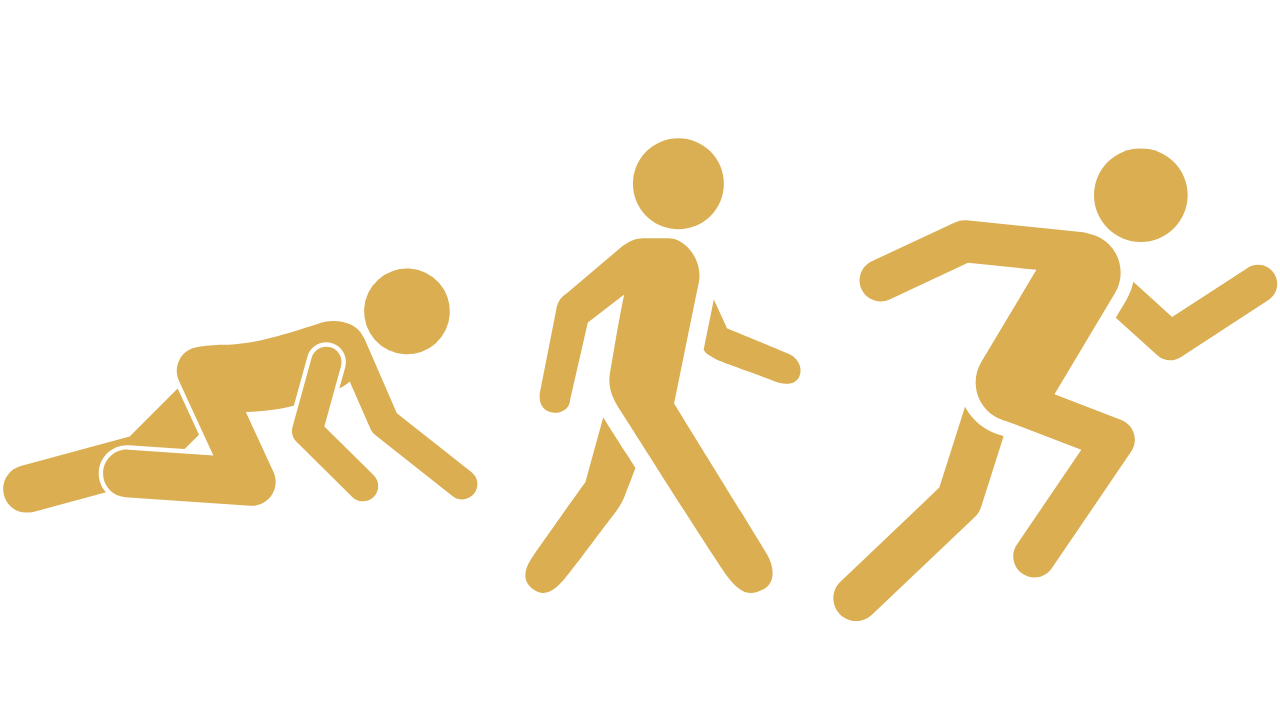
Crawl
Start by cutting off the late-night damage.
Do not change your whole life on day one. Just pick a simple line in the sand: after dinner, the kitchen is closed. No random snacks. No “just a little something.” No standing at the pantry like it owes you money.
Drink water. Brush your teeth. Go to bed.
That alone gives your gas tank a break.
Walk
Build a simple overnight fast.
You do not need to get cute with it. Eat dinner, stop eating afterward, sleep, then eat breakfast when you are actually ready. For a lot of people, that naturally creates a longer break without turning life into a science project.
During your eating window, focus on better octane: protein, whole foods, fiber, hydration, and meals that actually support the engine. Do not use the window as a feeding frenzy.
Pay attention to your check engine lights. Better energy? Less bloating? Fewer cravings? Better sleep? Good. Feeling worse? Adjust.
Run
Use fasting as a structure, not a religion.
Once the basics feel steady, you can tighten the window if it fits your life. But keep the standard clear: the fast is there to support better fuel choices, not replace them.
Plan your meals. Do not “wing it” hungry. That is how gas station decisions happen.
If your job has weird hours, build around reality. First responders, shift workers, and military folks do not always get a perfect schedule. That is fine. The win is not perfection. The win is having a system.
Ask yourself three questions:
Am I eating because I need fuel, or because I am reacting to stress?
Am I putting in better octane when I do eat?
Is this helping me operate better, or just making me miserable?
That is the difference between a tool and a trap.
Pit Stop
Before your next meal, ask yourself one thing: “Is this fuel helping the engine, or is it just quieting the noise for a few minutes?”
Stay in the Fight With 98 Octane
Intermittent fasting is just one tool. The real mission is learning how to fuel better, think clearer, move stronger, and stop ignoring the check engine lights.
98 Octane exists to help Military, Veterans, First Responders, and their families rebuild health one simple step at a time.
Follow the mission, share this with someone who needs it, and stay connected with us: